

This chronic, low-grade inflammation is a silent contributor to cardiovascular disease, diabetes, and even certain cancers. Imagine your gut as a fortress, its walls lined with Sobriety sentinels (gut bacteria) keeping invaders at bay. Alcohol acts like a Trojan horse, weakening these walls and allowing toxins to breach the defenses. These cells, mistaking healthy tissue for the enemy, unleash a barrage of inflammatory chemicals, causing collateral damage.
Nutrient Deficiency Link: Depletes vitamins (e.g., C, D) essential for immune function and defense
Although these viral infections primarily spread through contact with infected blood or body fluids, a weakened immune system is less equipped to fight them off if exposure occurs. Additionally, alcohol can damage the gut lining, which serves as one of the body’s first lines of defense against pathogens in the gastrointestinal tract. A compromised gut barrier allows bacteria and toxins to enter the bloodstream more easily, triggering inflammatory responses and placing extra stress on the immune system. When AGE levels accumulate in your body, they contribute to oxidative stress, inflammation, and cellular damage. AGEs weaken the immune system through several mechanisms, including promoting chronic inflammation, depleting antioxidant defenses, causing cellular dysfunction, and disrupting does alcohol weaken immune system beneficial gut bacteria. Functional medicine evaluates root causes of immune imbalance rather than focusing solely on symptoms.
Is Gym Good for Osteoporosis? Exercise and Bone Health
- Endurance exercise (e.g., long-distance running) tends to have a more pronounced impact on immune suppression compared to resistance training (e.g., weightlifting).
- Whether through moderation, hydration, or nutritional support, proactive steps can significantly reduce the likelihood of alcohol-related infections, offering a practical guide for safer consumption.
- However, additional studies are needed to fully uncover the mechanisms that underlie increased Ig production while B-cell numbers are reduced.
- After consuming 6 drinks in 3 hours, their risk of developing a respiratory infection in the following days increases.
- From that foundation, targeted lifestyle adjustments, nutrition protocols, and supplementation may be implemented.
The World Health Organization (WHO) estimates that alcohol contributes to approximately 3 million deaths globally each year, many of which are linked to weakened immunity and related infections. Innate immunity acts as the first line of defense, providing immediate but nonspecific protection. This includes physical barriers like the skin and mucous membranes, and immune cells such as macrophages that engulf pathogens. Meanwhile, adaptive immunity develops more slowly but is highly specific, creating memory cells that remember past invaders and respond more effectively upon re-exposure. Alcohol consumption weakens the immune system, increasing vulnerability to infections and long-term health risks, but informed choices can help protect immune health. Over time, this constant battle within the gut spills over, affecting other organs.

Respiratory Complications
Long-term effects of alcohol on the immune system include an increased risk of developing infections, chronic inflammation, and certain types of cancer. The liver is essential for detoxifying the bloodstream, regulating metabolism, and producing proteins crucial for immune function and blood clotting. These effects can increase susceptibility to infections, slow wound healing, and reduce the effectiveness of vaccines. For optimal immune health, it’s best to limit alcohol consumption or avoid it entirely. Foods and beverages high in added sugars represent one of the most significant dietary threats to immune health. Regular consumption of sugary items can impair your body’s ability to fight infections and maintain proper immune function.
- The presence of ethanol in an in vitro culture of spleen cells also suppressed NK cell cytotoxic activity against MADB106 tumor cells (Yirmiya et al. 1992).
- White blood cells, or leukocytes, are the body’s primary defense against infections, and their functionality is directly compromised by alcohol consumption.
- Firstly, alcohol impairs the production of white blood cells, which are essential for fighting off infections.
- Similarly, chronic inflammation in the cardiovascular system contributes to atherosclerosis, hypertension, and stroke.
Beyond AGEs, processed meats are typically high in saturated fats and sodium, both of which can contribute to immune dysfunction when consumed in excess. Research suggests that diets high in saturated fats may promote systemic inflammation and impair immune cell function. If you notice reduced scaling, less redness, and decreased itching, sun exposure may be helping your psoriasis.
Is There Any Amount of Alcohol That’s OK to Drink?
It is important to note that the effects of alcohol on the immune system are not limited to immediate consequences. Long-term alcohol consumption can lead to chronic inflammation and damage to immune system cells, resulting in increased susceptibility to infections. The healing process can also be significantly slower in individuals who consume alcohol regularly. To mitigate these short-term effects, it’s essential to adopt practical strategies.
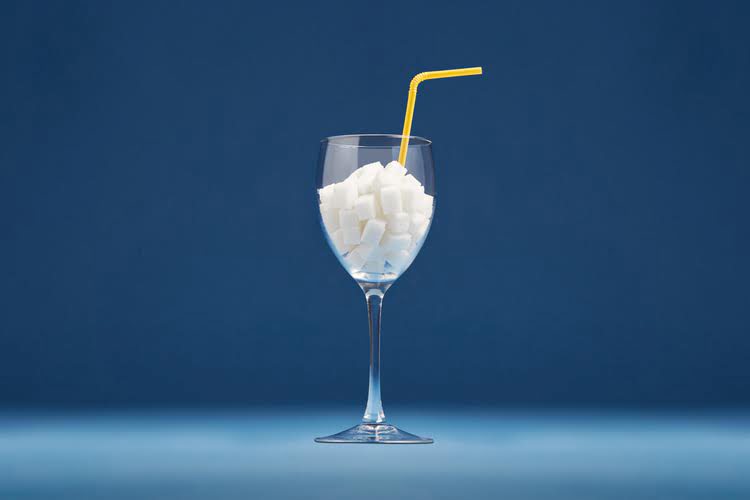
This isn’t just a vague warning; it’s a well-documented phenomenon with tangible consequences. Studies show that even moderate drinking (defined as up to one drink per day for women and up to two for men) can impair the function of immune cells like neutrophils and macrophages, our first line of defense against pathogens. These cells become less efficient at identifying and destroying invading bacteria and viruses, leaving the body vulnerable. The gut microbiome, a complex ecosystem of trillions of microorganisms residing in the digestive tract, plays a pivotal role in immune system regulation. These microorganisms, primarily bacteria, fungi, and viruses, maintain a delicate balance that supports immune function, digestion, and overall health. However, alcohol consumption disrupts this equilibrium, leading to significant changes in the composition and function of gut bacteria.
- Frequent colds or respiratory infections, slower recovery from illness or injury, increased fatigue or flare-ups of autoimmune symptoms are common indicators.
- In addition to reducing T-cell numbers, chronic alcohol exposure disrupts the balance between different T-cell types (i.e., T-cell homeostasis), leading to a shift toward a memory phenotype.
- Alcohol acts like a Trojan horse, weakening these walls and allowing toxins to breach the defenses.
According to the World Health Organization (WHO), excessive alcohol intake impairs the function of immune cells, including T-cells and macrophages, which are crucial for identifying and eliminating pathogens. Another critical aspect of acute alcohol consumption is its impact on the gut microbiome and intestinal barrier function. As a result, https://thinkconnekts.com/how-to-perform-net-realizable-value-nrv-analysis/ the immune system becomes less capable of responding to respiratory infections like pneumonia, which can develop rapidly in individuals with compromised immune function.
