

Understanding the psychological triggers that drive gambling behavior
The Allure of Chance
The thrill of uncertainty is one of the most compelling psychological triggers behind gambling behavior. Many individuals are drawn to the idea of winning big without a significant investment, which can create an exhilarating rush. This phenomenon often leads to a cycle where the excitement of potential gains overshadows the risks involved. The unpredictability inherent in gambling appeals to a person’s desire for adventure and novelty, making it an enticing activity. For those exploring this realm, reputable options like aus online casinos can provide both excitement and security.
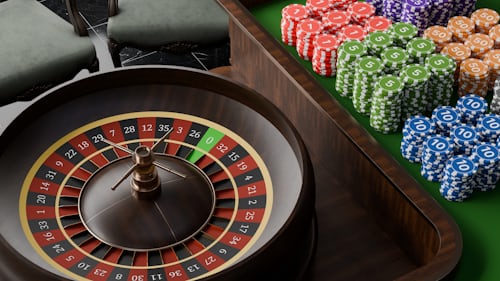
Moreover, the concept of chance plays a crucial role in reinforcing gambling behavior. People often engage in “near misses”—situations where they come close to winning—creating a false sense of hope. This psychological effect can encourage players to continue gambling, as they believe that a win is just around the corner. Understanding this allure helps explain why many find it difficult to resist the temptation to gamble.
Emotional Escapism
Gambling often serves as a form of emotional escape for many individuals. People facing stress, anxiety, or life challenges may turn to gambling as a way to temporarily alleviate their emotional burdens. The act of placing bets and engaging with games can provide a distraction, allowing individuals to forget their problems, even if only for a short period. This coping mechanism can lead many to overlook the potential pitfalls of gambling.
Additionally, the social aspect of gambling can enhance this escape. Many find camaraderie in casinos or online platforms, creating a sense of belonging that helps mitigate feelings of isolation. This emotional connection can make gambling more appealing, as it combines both entertainment and social interaction.
Reinforcement and Reward Systems
The brain’s reward system plays a pivotal role in driving gambling behavior. When a person wins, the release of dopamine—a neurotransmitter associated with pleasure—reinforces the act of gambling. This chemical response encourages players to repeat the behavior, often leading them to chase losses in hopes of recapturing that euphoric feeling.
Furthermore, the intermittent reinforcement schedule common in gambling environments can make the behavior even more addictive. Unlike activities that offer consistent rewards, gambling provides unpredictable outcomes, which keeps players engaged. This unpredictability can heighten the excitement and urge to gamble, making it challenging to break the cycle.
Social Influence and Norms
Social factors significantly impact gambling behavior. Cultural attitudes toward gambling, peer influences, and societal norms can shape an individual’s willingness to engage in gambling activities. In some communities, gambling is viewed as a form of entertainment, making it more socially acceptable and reinforcing participation.
Friends and family can also play a substantial role in an individual’s gambling habits. If someone is surrounded by peers who gamble, they may feel compelled to join in. This social pressure can lead to an increased likelihood of gambling, often without full consideration of the risks involved. Understanding these social dynamics can shed light on why certain individuals are more prone to gambling than others.

Exploring Gambling Resources Online
Recognizing the psychological triggers that drive gambling behavior is essential for individuals looking to understand their own habits or those of others. Online resources offer a wealth of information about responsible gambling practices and the psychological aspects that influence these behaviors. Awareness of these triggers can empower players to make informed decisions and seek help if needed.
Engaging with trustworthy websites dedicated to gambling education can provide insights into maintaining a balanced approach to gaming. From tips on managing bankrolls to understanding the signs of gambling addiction, these resources serve as valuable tools for players seeking to navigate the complex world of gambling responsibly.
